
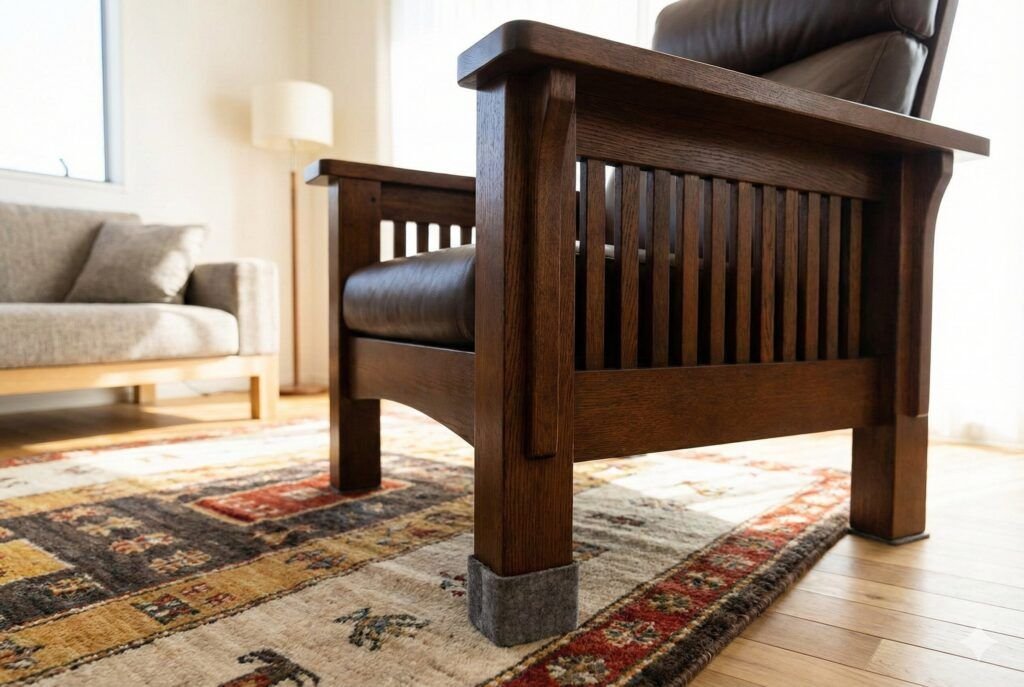
Summary of Rug Protection Methods from Heavy Furniture
| Method | Effectiveness | Cost | Best Used For |
| Furniture Coasters | High | Low | Sofas, tables, heavy cabinets with distinct legs. |
| Rug Pads (Underlay) | Medium-High | Medium | Overall rug support and preventing floor damage. |
| Regular Rotation | High | Free | Preventing permanent uneven wear and traffic paths. |
| Carpet Scraps (DIY) | Medium | Free | Hidden areas or temporary protection during moves. |
| Ice Cube Trick | High (Fixing) | Free | Removing existing dents in wool or synthetic rugs. |
Protecting Rugs from Heavy Furniture
Rugs are often the centrepiece of a room, adding warmth, colour, and texture to our living spaces. However, they are also significant investments. Whether you have purchased a hand-woven Persian rug, a thick wool Berber, or a modern synthetic piece, the weight of heavy furniture is one of the biggest threats to its longevity.
Over time, heavy items like sofas, bookcases, and dining tables can crush the fibres of your rug, leaving unsightly indentations that can become permanent if not treated.
This guide explores practical, simple, and effective ways to protect your rugs from the crushing weight of furniture. We will look at preventative measures you can take immediately, as well as techniques to fix damage that may have already occurred.
By following these steps, you can ensure your rugs remain in excellent condition for years to come.
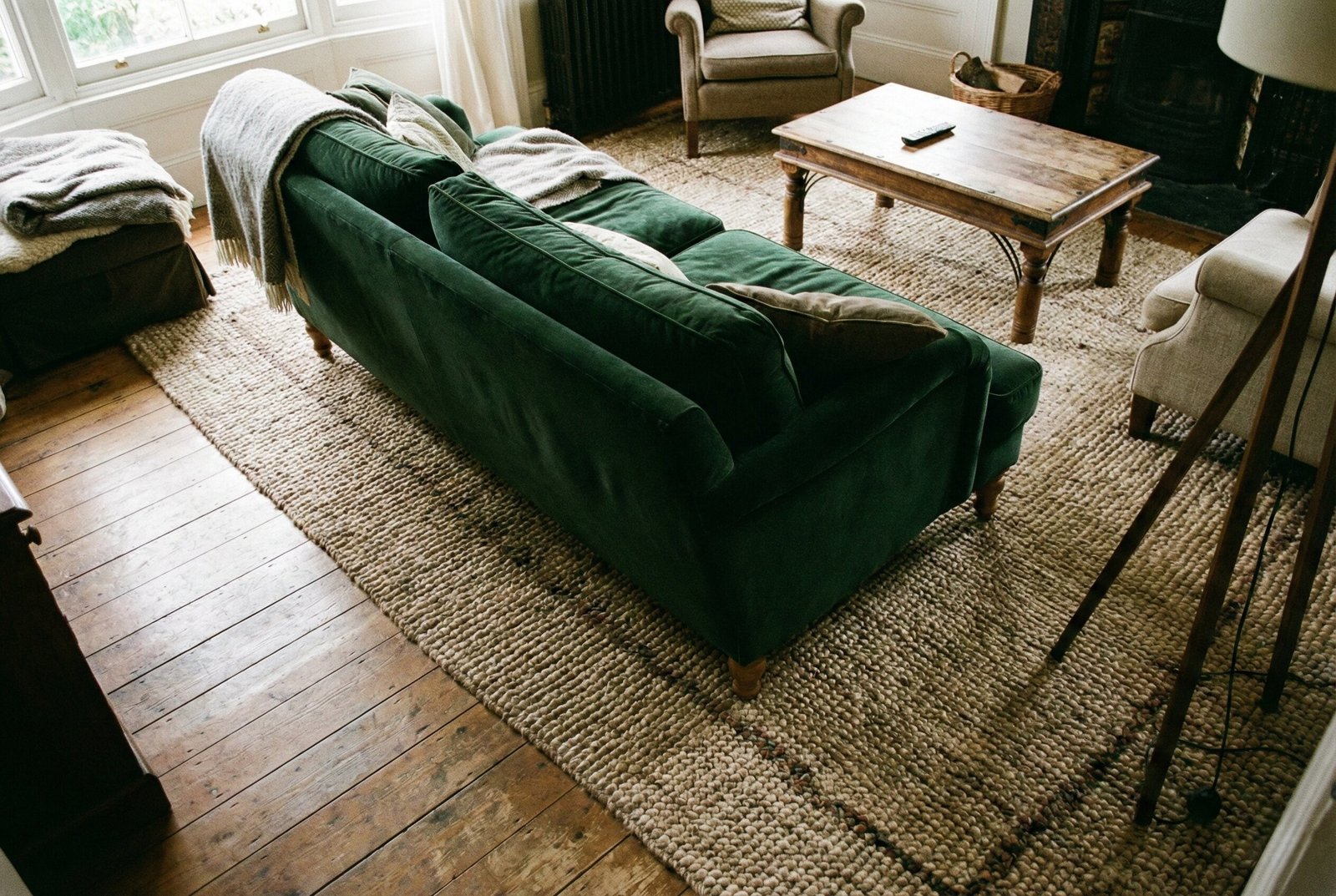
Understanding Rug Damage
Before we discuss solutions, it is helpful to understand exactly what happens to a rug under heavy weight. When a heavy object sits on a rug for a long period, two things happen:
- Fibre Compression: The individual strands of yarn (the pile) are bent and compressed. If they stay this way for too long, the fibres may break or become permanently misshapen.
- Backing Stress: The weight does not just affect the fluffy top part of the rug; it also pushes down on the backing material (the warp and weft). Extreme weight can cause the backing to stretch or crack, leading to structural damage.
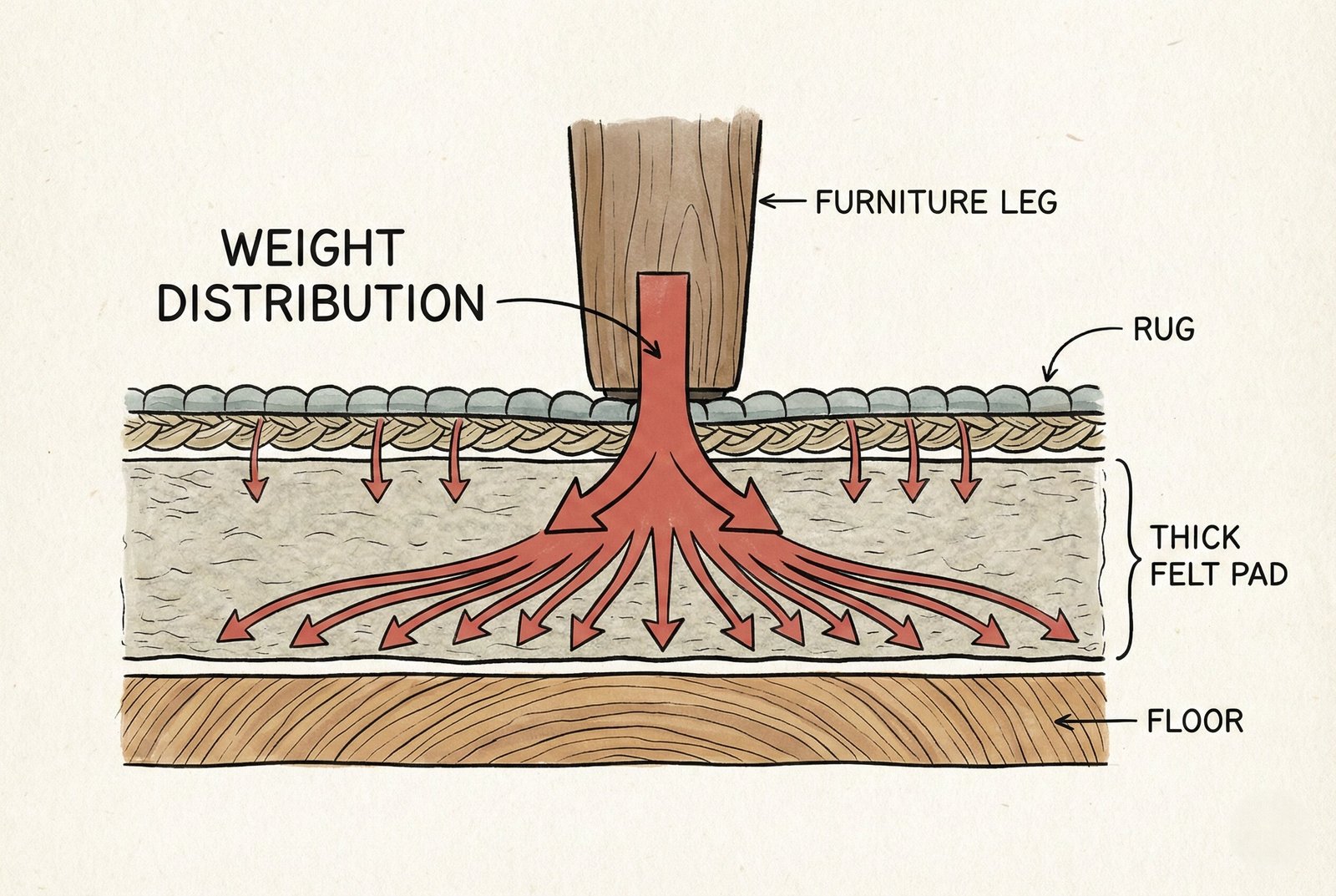
The goal of protection is to stop the weight from focusing on a tiny point (like a sharp table leg) and spread it out over a wider area.
The Best Defense: Furniture Coasters and Cups
The single most effective tool for protecting your rug is the furniture coaster, also known as a castor cup. These are small discs placed under the legs of your furniture. They work by increasing the surface area of the leg, which distributes the weight more evenly across the rug pile.
Types of Coasters
- Spiked Plastic Cups: These are designed specifically for carpets and rugs. They have short plastic spikes on the underside that grip into the rug pile. This prevents the heavy furniture from sliding around, which can cause tearing. The spikes sit between the fibres rather than crushing them flat.
- Clear Plastic Discs: These are subtle and less visible. They are good for modern furniture where you do not want to draw attention to the feet. They are usually smooth on the bottom, so they spread the weight well but may slide if the furniture is pushed.
- Rubber Cups: Rubber offers excellent grip. These are best used if your rug sits on a hard floor and tends to slip. The rubber stops the furniture from moving, but be careful with cheap rubber as it can sometimes leave marks on light-coloured rugs.
- Felt-Backed Coasters: While mostly used for protecting hard floors, felt-backed coasters can be used on low-pile rugs to prevent snagging.
How to Use Them Correctly
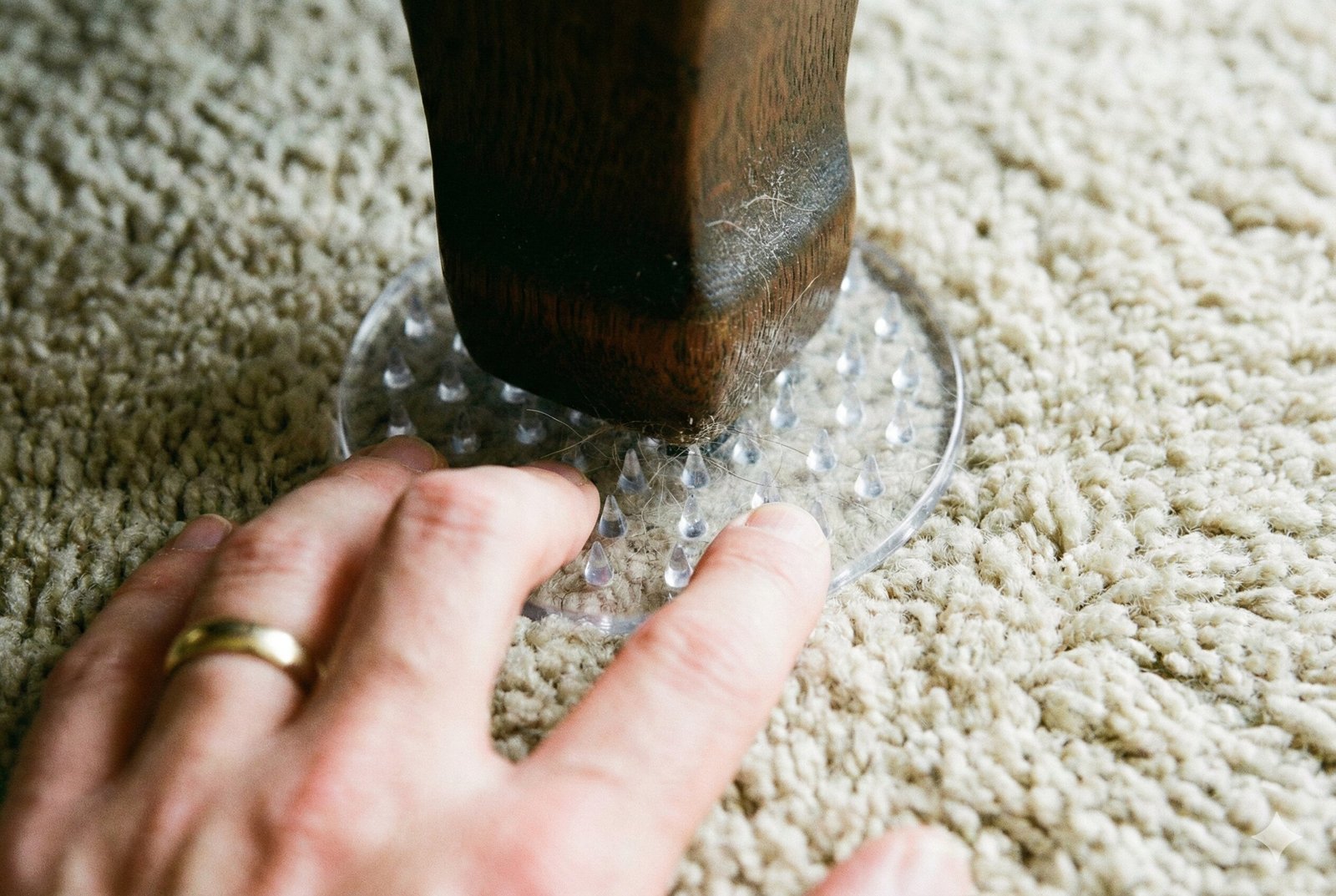
Lift the corner of your heavy furniture carefully. Slide the coaster directly under the leg, ensuring the leg sits squarely in the centre of the cup. If the furniture has wheels (castors), make sure the wheel is locked into the cup so it does not roll off.
The Importance of High-Quality Rug Pads
Many people skip buying a rug pad (often called underlay in the UK), thinking it is an unnecessary expense. However, a rug pad is vital for protecting your rug from both the top and the bottom.
How Rug Pads Help
A thick, dense rug pad acts as a shock absorber. When heavy furniture sits on the rug, the pad compresses, taking some of the strain off the rug fibres themselves. It provides a cushion that prevents the rug fibres from being crushed against the hard subfloor.
Choosing the Right Pad
- Material: Look for pads made of felt or a felt/rubber hybrid. Avoid cheap PVC nets, which offer no cushioning and can stick to the floor.
- Thickness: For heavy furniture protection, a thicker pad (around 6mm to 10mm) is better. It gives the furniture legs somewhere to “sink” into without bottoming out against the hard floor.
- Density: You want a pad that is firm, not soft like a sponge. A dense felt pad resists compression, offering long-term support for heavy items like pianos or solid oak sideboards.
Strategic Furniture Rotation
Even with coasters and pads, gravity will eventually win if an object sits in the exact same spot for decades. The simplest, zero-cost method to save your rug is movement.
The Inch Method
You do not need to rearrange your entire living room. Simply moving your sofa or table just one or two inches to the left or right every few months can make a massive difference. This allows the previously crushed fibres to “rest” and recover.
The 180-Degree Turn
Once a year, rotate your rug 180 degrees. This is standard practice for high-quality rugs.
- It changes where the furniture sits on the rug.
- It balances out the damage from foot traffic (paths worn by people walking).
- It ensures sunlight does not fade only one side of the rug.
Use Carpet Scraps for Heavy Static Items
If you have extremely heavy furniture that essentially never moves, such as a grand piano, a large antique wardrobe, or a bookshelf filled with books, standard coasters might not be enough, or they might look unsightly.
In these cases, you can use offcuts of carpet or rug.
- Find a piece of carpet that matches the colour of your rug, or a neutral colour.
- Cut it into small squares or circles, slightly larger than the furniture legs.
- Place these scraps face down (pile-to-pile) or face up under the legs.
This creates a “sandwich” of protection. It is a very effective barrier for heavy loads, and because you can cut them to size, they can be completely hidden under the furniture base.
Selecting the Right Rug Material
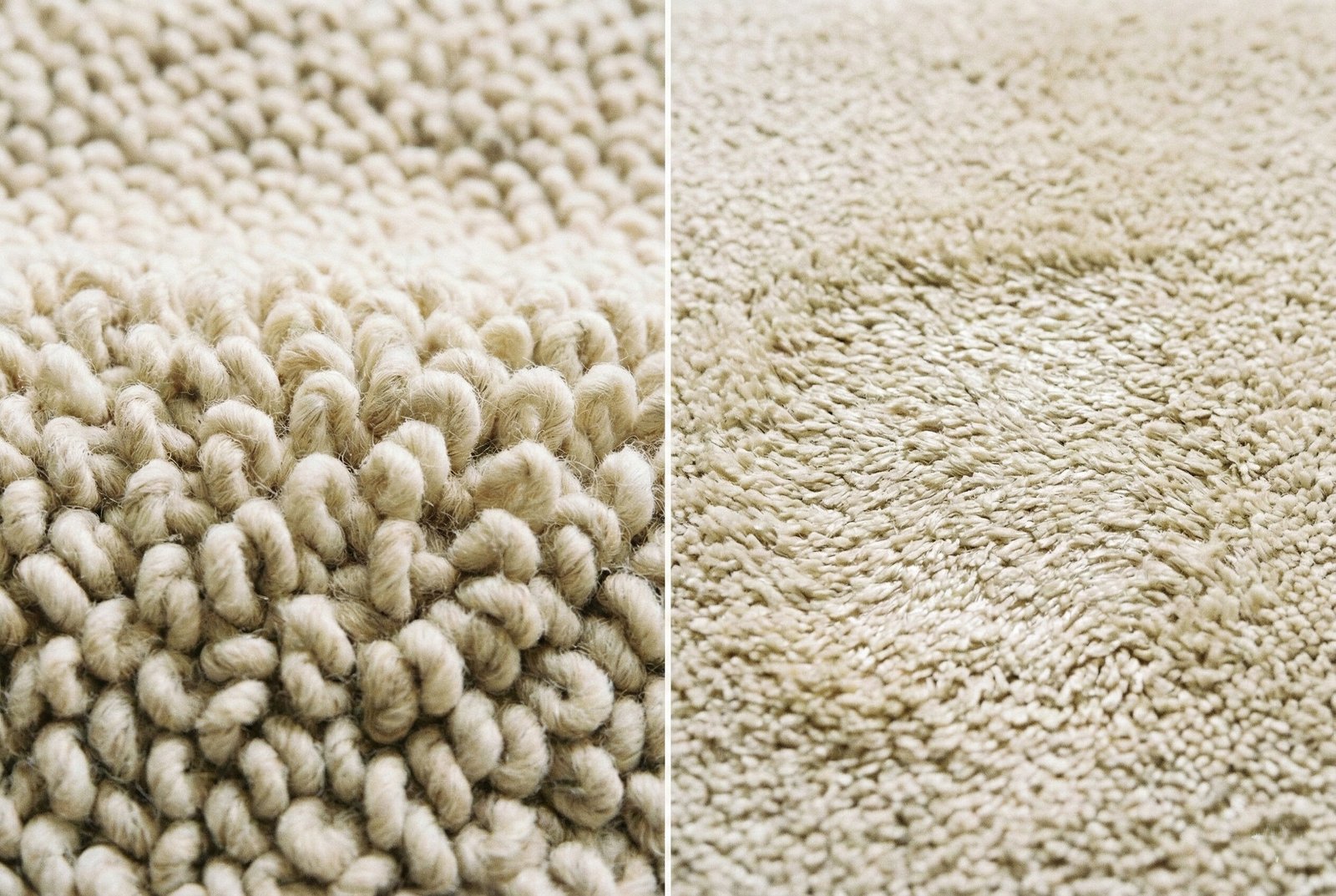
If you have not bought your rug yet, or are looking to replace one, the material you choose plays a massive role in how well it resists furniture marks.
Wool is King
Wool is naturally resilient. The structure of a wool fibre is like a coil or a spring. When you compress it, it naturally wants to bounce back to its original shape. A wool rug will recover from furniture dents much better than most other materials.
Synthetic Fibres
- Nylon: This is the most durable synthetic fibre. It has good “memory” and will bounce back reasonably well.
- Polypropylene/Olefin: While stain-resistant and cheap, these fibres deform easily. Once a heavy object crushes a plastic-based fibre like polypropylene, it is very difficult to revive it. It is like bending a piece of plastic; once bent, the white stress mark remains.
Viscose and Silk
Avoid placing heavy furniture on viscose, bamboo silk, or real silk rugs. These fibres are delicate and can snap under pressure. If you must use them, use extra-wide coasters to spread the weight as much as possible.
How to Fix Existing Furniture Dents
If you have moved a piece of furniture and found deep craters in your rug, do not panic. In many cases, these can be fixed. Here are the best techniques for reviving crushed pile.
The Ice Cube Method
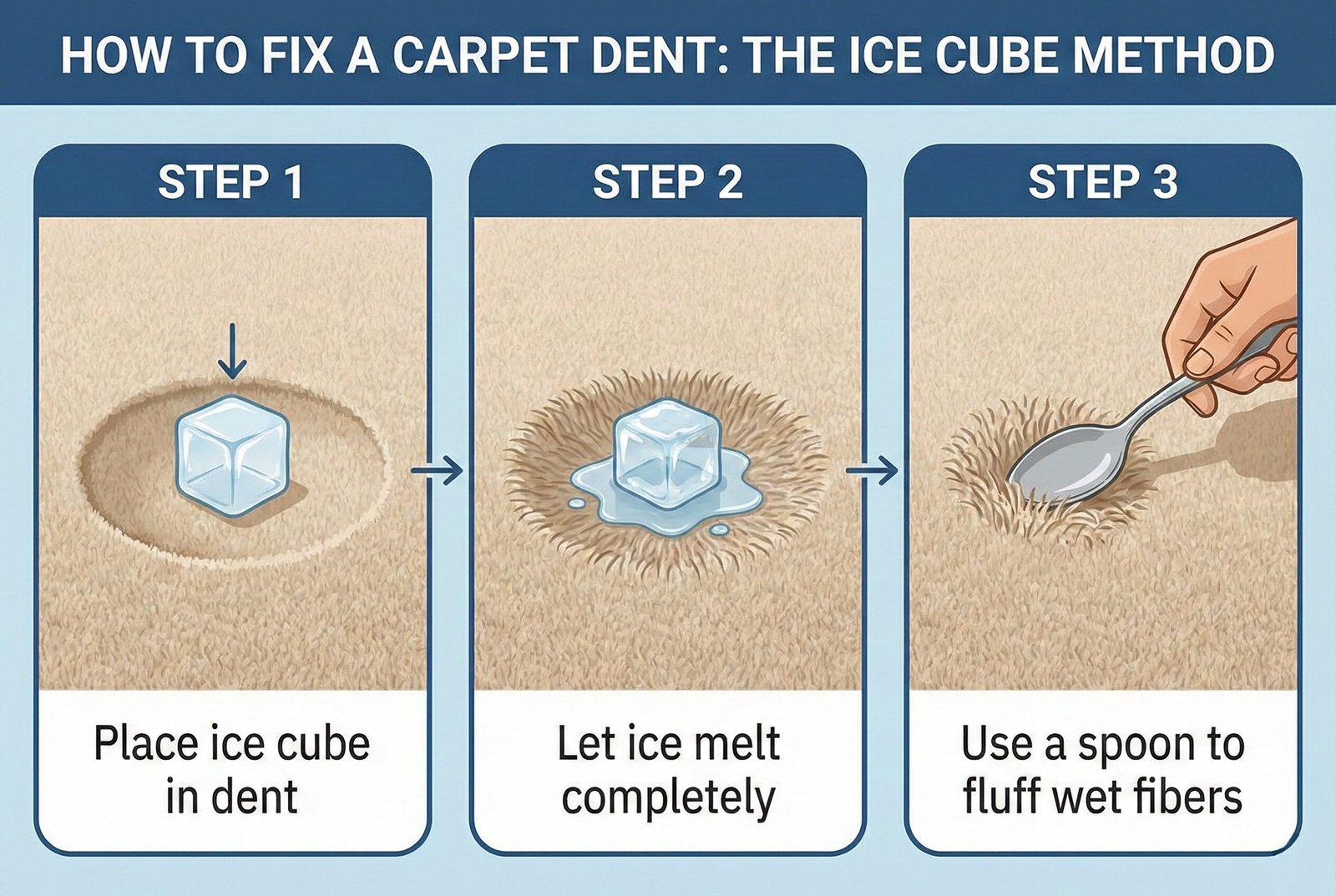
This is the most famous trick for a reason; it works effectively on wool and nylon rugs.
- Place the Ice: Put an ice cube (or several, depending on the size of the dent) directly into the indentation.
- Wait: Let the ice melt completely. This can take a few hours. The water slowly penetrates the fibres, causing them to swell and expand back to their original shape.
- Blot: Use a clean white towel to blot up the excess water. Do not rub.
- Fluff: Use a spoon or a coin to gently scrape the edges of the dent, lifting the fibres. You are encouraging them to stand tall again.
- Dry: Let it air dry.
The Steam Iron Method
For stubborn dents, you need heat and moisture.
- Towel Barrier: Place a damp white tea towel or cloth over the dent. Never touch a hot iron directly to a rug, as you will melt synthetic fibres or singe wool.
- Steam: Set your iron to the steam setting. Hover the iron over the towel, or press down very gently for just a few seconds. You want to inject steam into the pile.
- Lift: Remove the towel and immediately use your fingernail or a spoon to fluff up the damp, warm fibres.
- Repeat: If the dent is still there, repeat the process.
The Blow Dryer Technique
If you are worried about getting your rug too wet, use a spray bottle and a hair dryer.
- Mist: Lightly spray the dent with water.
- Heat: Use a hair dryer on a medium heat setting. Hold it a few inches away.
- Massage: As the fibres warm up, use your fingers to massage the pile back into place.
Daily and Weekly Maintenance Tips
Protecting your rug is not just about the furniture; it is about keeping the rug healthy so it can withstand the weight.
Vacuuming
Regular vacuuming keeps the fibres upright. Dirt and dust act like tiny razor blades at the base of the rug. When furniture presses down on dirty fibres, that grit cuts into the yarn, causing it to fray and flatten faster. Vacuum high-traffic areas at least twice a week.
Humidity Control
Believe it or not, humidity affects rugs. In very dry environments, natural fibres like wool can become brittle and break under weight. Keeping a stable humidity level in your home helps the fibres retain their natural elasticity.
Handling High Traffic Areas
If your heavy furniture is right next to a walkway (like a sofa arm near a door), the combination of weight and foot traffic is a double blow. In these areas, consider adding a small area rug or runner over the main rug to take the abuse, or rearrange the furniture to widen the path.
When to Call a Professional
Sometimes, DIY methods are not enough. If you have a valuable antique rug or a very delicate silk piece with severe furniture damage, do not try to steam it yourself. Professional rug cleaners have specialized tools that use moisture and suction to lift the pile without damaging the dyes or backing.
Conclusion
Protecting your rugs from heavy furniture requires a combination of the right tools and a little bit of maintenance. By using furniture coasters to spread the weight and a high-quality rug pad to provide cushioning, you solve 90% of the problem. Adding in a yearly rotation schedule ensures that no single part of the rug bears the burden for too long.
Rugs are meant to be lived on, and furniture is meant to be used. You do not need to ban heavy items from your beautiful carpets. With these simple precautions, you can enjoy your stylish home while keeping your rugs looking plush, even and welcoming for years.
Detailed Breakdown of Rug Coaster Materials
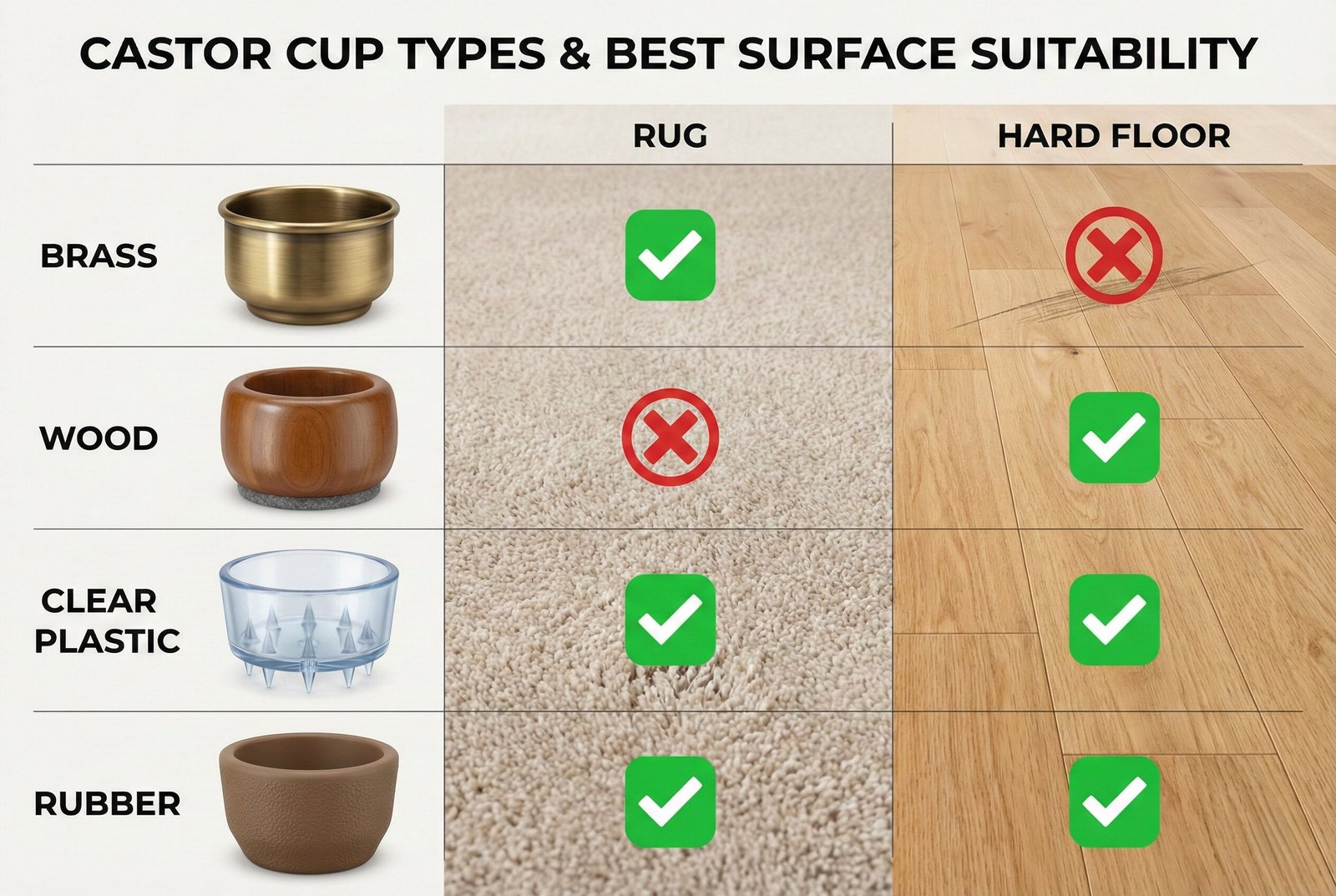
To ensure you choose the absolute best protection, let us look deeper into the specific materials of coasters available on the UK market.
Solid Brass Castor Cups
For traditional homes, brass cups are a stylish option. They look elegant under antique wooden furniture.
- Pros: Extremely durable, looks expensive, very wide surface area.
- Cons: Can tarnish over time, expensive to buy.
- Best For: Chesterfield sofas, mahogany dining tables, antique sideboards.
Wooden Cups
These are often made of oak, beech, or mahogany to match floorboards or furniture legs.
- Pros: Aesthetic appeal, very strong.
- Cons: If the wood is not sealed properly, moisture from mopping could damage it.
- Best For: Hardwood floors and wool rugs.
Glass Cups
Rare but effective, glass cups were popular in the Victorian era.
- Pros: Very smooth, do not snag fibres.
- Cons: Can break if a heavy person sits down too hard on the sofa.
- Best For: Decorative tables that are rarely used.
The Myth of “Carpet Tape” for Protection
Some guides suggest using double-sided carpet tape to stop rugs from moving, claiming this helps with furniture weight. This is false. The tape stops sliding, but it does nothing to cushion the weight of a wardrobe.
In fact, the sticky residue from tape can attract dirt to the spot where the furniture leg sits, creating a dark ring around the indentation. Avoid tape under heavy legs; stick to pads and coasters.
Navigating Modern Furniture Legs
Modern furniture design often features very thin, “stiletto” style legs. These are the most dangerous legs for rugs. The entire weight of a sofa (plus the people sitting on it) is concentrated into a point the size of a 5p coin.
If you have stiletto legs:
- Use Hard Cups: Do not use soft rubber or felt pads; the metal leg will punch right through them. You must use a hard plastic or metal cup.
- Check for Sharp Edges: Before placing the furniture, run your finger over the bottom of the leg. If the metal is sharp or rough, file it down or apply a thick protective cap before placing it in the coaster.
Final Thoughts on Prevention
Ideally, you should think about rug protection the day you buy the furniture. If you are ordering a new heavy sofa, order the castor cups at the same time so they arrive together. Do not wait “a few weeks” to get them, as heavy furniture can crush a rug pile significantly in just 24 hours.
If you are moving house, protect the rugs immediately. It is much harder to lift a fully assembled bed to slide a cup underneath than it is to place the cup while you are building the bed.
By treating your rug with care and respecting the physics of weight distribution, you preserve the texture and beauty of your flooring. It is a small effort that pays off by keeping your home looking pristine and well-cared for.