

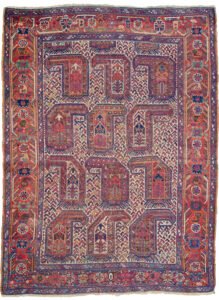
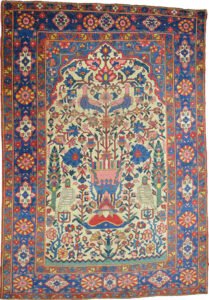
Take the Tree of Life. Often placed at the center of a rug, it represents the connection between earth and the divine, life and afterlife. Boteh, the ancestor of the paisley, symbolises fertility and eternal flame. Ram’s horns reflect strength and masculinity, while stylised birds speak of freedom or divine messengers.
These symbols aren’t decorative for decoration’s sake — they’re cultural. In homes today, they add more than softness underfoot. They carry memory. They anchor a space. And they remind us that some things are worth keeping — and telling — forever.
1. Woven Symbols: The Hidden Language of Handmade Rugs
2. The Meaning Behind the Motifs: A Guide to Symbolism in Handmade Rugs
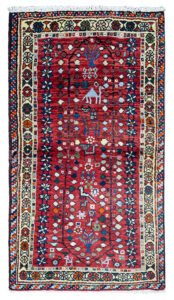
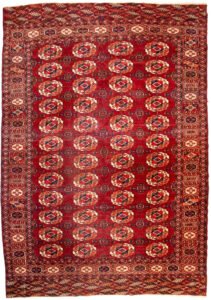
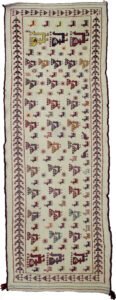
Hand-knotted rugs are rich with tradition — not only in the way they’re made but in what they represent. From the Iranian plateau to the Anatolian plains, weavers have embedded meaning into their work, using motifs that act like a language passed through the loom and lineage.
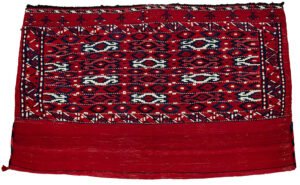
Among the most enduring symbols is the Elibelinde, or “hands on hips” — a stylised female form found in Anatolian kilims, representing motherhood and fertility. Guls, tribal emblems from Turkoman cultures, serve as identity marks, while the evil eye or amulets are believed to protect homes from harm.
These woven stories continue to resonate with today’s interiors. Whether styled in a Georgian townhouse or a contemporary flat, rugs like these lend soul to a space — quietly whispering tales of strength, protection, and human creativity across centuries.
3. Designing with Meaning: How Rug Motifs Add Cultural Depth to Modern Interiors
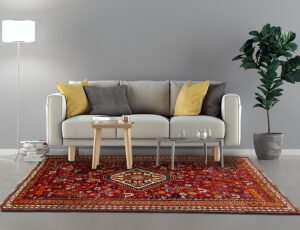
In today’s design landscape, where storytelling and authenticity are more valued than ever, traditional rug motifs offer an untapped layer of meaning. At Sharafi & Co, we’ve spent decades working with interior designers to source handmade rugs that don’t just match a palette — they carry legacy.
Motifs like the Tree of Life, boteh, or stylised birds aren’t just beautiful — they’re powerful. They speak of protection, growth, connection, and hope. In hospitality projects, they provide narrative. In private homes, they ground the space emotionally. For heritage-focused clients, they bring provenance and personality.
When integrated thoughtfully, these patterns go far beyond decoration. They contribute to identity. And in spaces built for longevity, that’s what makes a rug more than a product — it becomes part of the story.