

Summary: Key Moth Prevention Strategies
| Strategy | Action Required | Frequency | Best For |
| Vacuuming | Vacuum top and underside vigorously. | Weekly | Removing eggs and larvae. |
| Light & Air | Open curtains; move the rug into the sun. | Monthly | Deterring adult moths. |
| Repellents | Place cedar blocks or lavender sachets nearby. | Refresh every 3 months | Discouraging moths from landing. |
| Traps | Set pheromone traps near the floor. | Continuous | Monitoring moth activity levels. |
| Deep Clean | Professional washing or freezing. | Every 1-3 years | Killing all life cycle stages. |
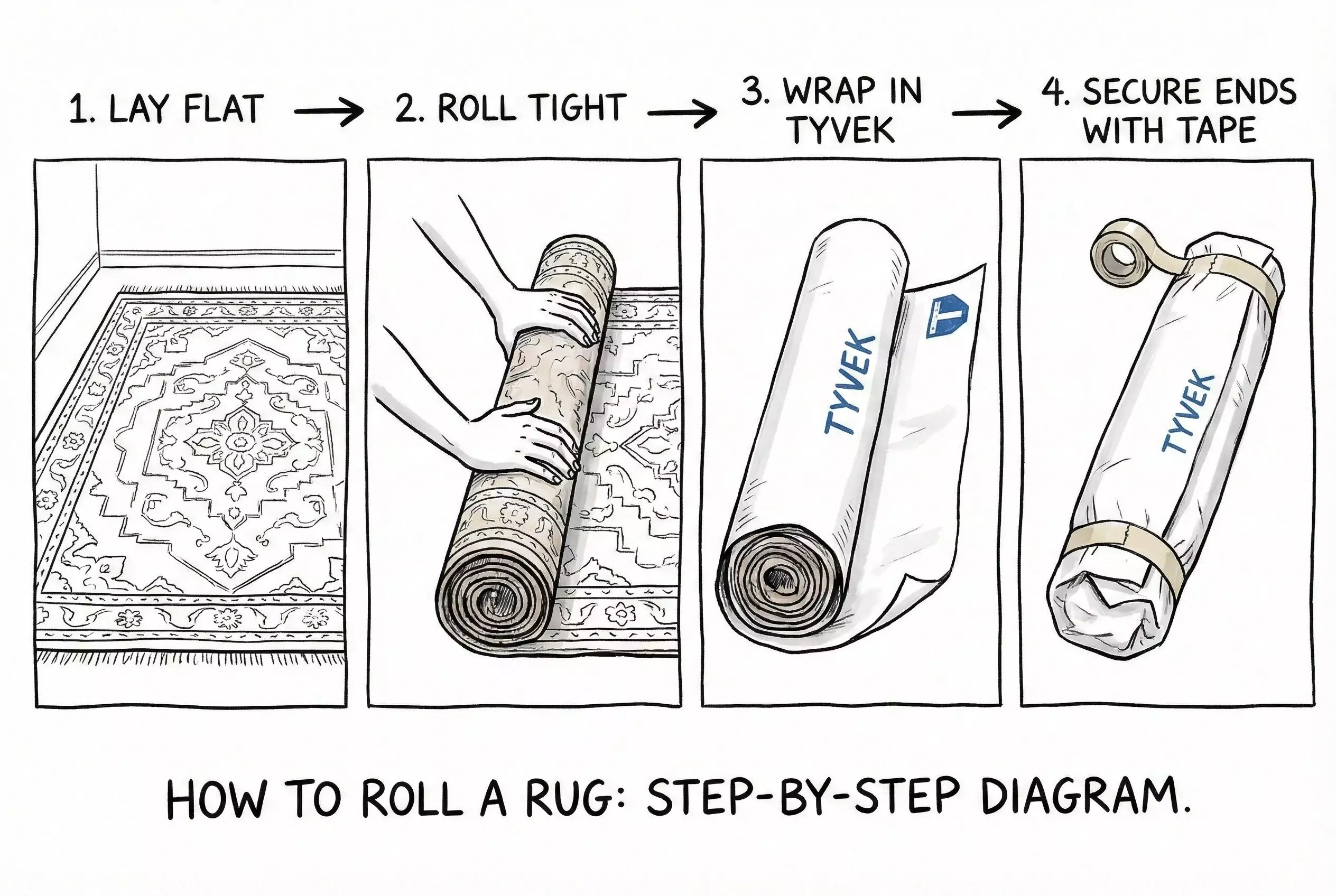
| Storage | Roll tight, wrap in Tyvek or cotton. | When storing | Long-term protection. |
Protecting Wool Rugs from Moths
Wool rugs are more than just floor coverings; they are often investments, heirlooms, or the centrepiece of a room. The natural fibres of wool provide warmth, durability, and a luxurious feel that synthetic materials simply cannot match. However, this natural protein fibre is also the preferred food source for the clothes moth.
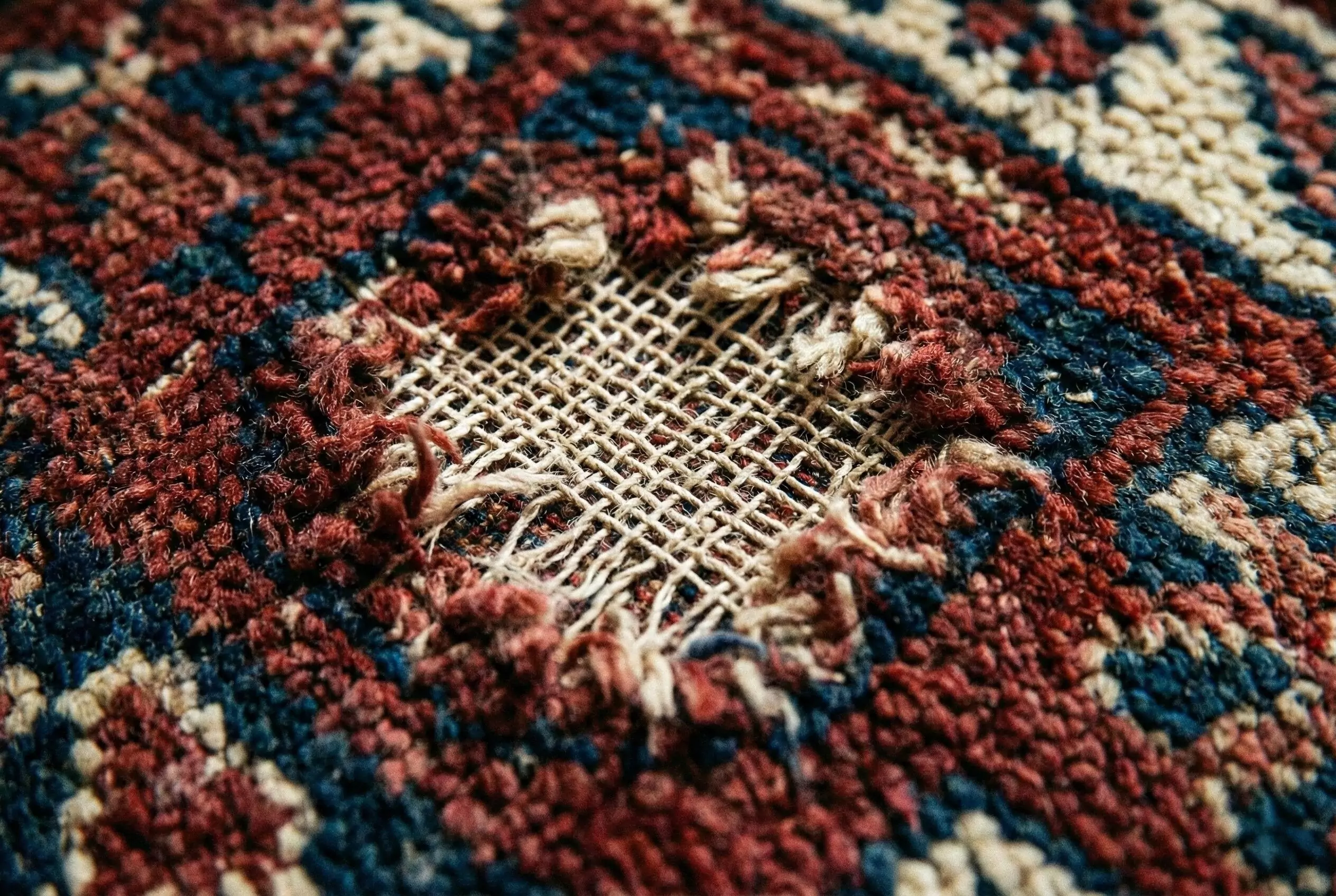
Moth damage can happen silently and quickly. You might not notice anything wrong until you move a sofa and find a patch of bald, threadbare mesh where a thick pile used to be. Once the damage is done, it is expensive and difficult to repair. Prevention is not just recommended; it is essential for the lifespan of your rug.
This guide provides a comprehensive, step-by-step approach to protecting your wool rugs. We will look at exactly what these pests are, how to spot them before they cause damage, and the specific cleaning and storage routines required to keep your home moth-free.
Understanding Your Enemy: The Clothes Moth
To fight moths effectively, you must understand their biology. It is a common misconception that the flying moths you see are the ones eating your rug. They are not. The adult moths do not have mouths and cannot eat. Their sole purpose is to reproduce.
The damage is caused entirely by the larvae.
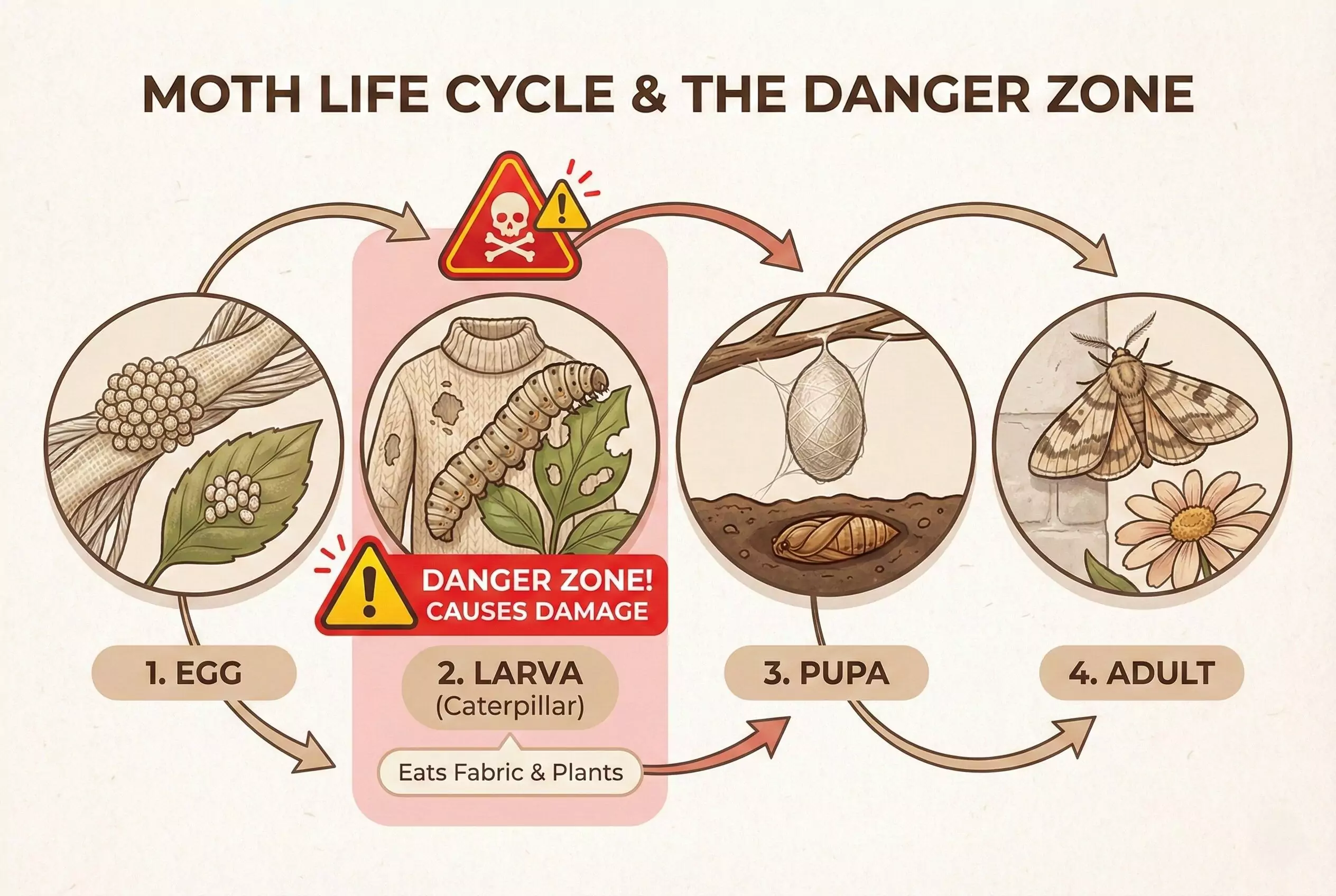
The Life Cycle
- The Eggs: A female moth lays hundreds of microscopic eggs deep in the pile of your rug. These are usually placed in dark, undisturbed areas, such as under furniture.
- The Larvae: When the eggs hatch, the larvae emerge. These look like small, creamy-white caterpillars. They require keratin to survive. Keratin is the protein found in animal hair, which is exactly what your wool rug is made of. As they eat, they spin a silken webbing (if they are Webbing Clothes Moths) or carry a case (if they are Casemaking Clothes Moths).
- The Pupae: Once the larvae have eaten enough, they spin a cocoon and transform.
- The Adult: The moth emerges to find a mate and lay more eggs, restarting the cycle.
Why Wool?
Wool is rich in keratin. Synthetic rugs (nylon, polyester) do not contain keratin, which is why moths ignore them unless the synthetic rug is heavily soiled with food stains or pet urine, which provides a protein source.
Moths also thrive on moisture and Vitamin B, often found in sweat, food spills, or pet dander. A dirty wool rug is essentially a buffet for moth larvae.
Signs of a Moth Infestation
Detecting an infestation early can save your rug. You must actively look for signs, as moths are masters of hiding. They are photophobic, meaning they hate light. You will rarely see them flying around in the middle of the day.
Visual Checks
Inspect the following areas of your rug, especially parts hidden under sofas, sideboards, or in dark corners:
- Bald Spots: Look for irregular patches where the pile is missing or looks “shaved” down to the backing.
- Webbing: Look for fine, sticky white webs across the surface of the rug. This often looks like lint or dust but will feel slightly sticky.
- Casings: Look for small, tubular cases that resemble grains of rice. These may be the colour of the rug wool, as the larvae use the fibres to build them.
- Larvae: If you disturb the rug, you may see the small white caterpillars wriggling.
- Sand-like Particles: This is often “frass,” or insect waste. It looks like granular dust that matches the colour of the wool dye.
The Prevention Routine: Cleaning and Maintenance
The most effective defence against moths is a rigorous cleaning routine. Moths cannot survive in clean, bright, and frequently disturbed environments.
1. Vacuuming Technique
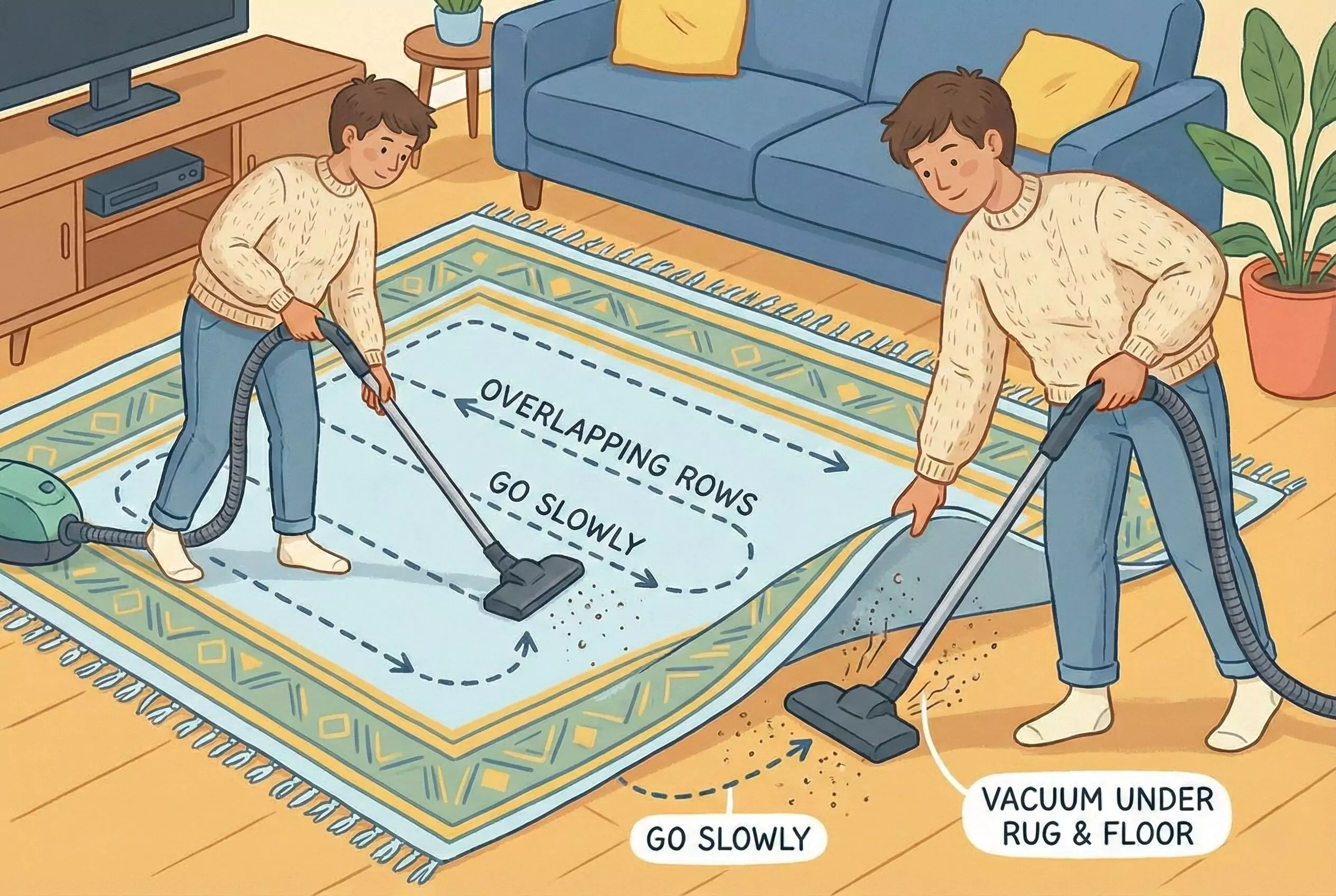
Vacuuming is your primary weapon. It sucks up eggs and larvae before they hatch or cause damage. However, a quick run-over with a robot vacuum is not enough.
- Frequency: Vacuum high-traffic areas weekly. Vacuum areas under furniture at least once a month.
- Suction Power: Use strong suction. The vibration and airflow help dislodge eggs clinging to the fibres.
- The Beater Bar: Be careful with the rotating beater bar on delicate antique rugs or rugs with fringe. It can rip fibres. For these, use the suction-only head or an upholstery attachment.
- The Underside: This is crucial. Once every two to three months, flip the rug over. Vacuum the back thoroughly. Moths often lay eggs on the back of the rug where it is darkest.
- The Floor: After vacuuming the rug, vacuum the bare floor underneath it. Dust and hair accumulate here, providing a breeding ground.
Crucial Step: Empty your vacuum cleaner immediately. If you have a bagless vacuum, empty the canister into an outside bin. If you use bags, change the bag. If you leave the dust inside the vacuum, the larvae will happily continue to eat the wool dust inside the machine and eventually crawl back out.
2. Managing Light and Airflow
Moths seek dark, stagnant air.
- Sunlight: Direct sunlight is lethal to larvae. Once a month, try to expose your rug to bright sunlight for a few hours. Flip it so both sides get exposure. Do not leave it for days, as UV rays can fade the dyes, but a few hours is safe and effective.
- Air Circulation: Keep the room well-ventilated. Open windows when possible. Moths struggle to fly and mate in windy conditions.
- Move Furniture: Periodically move heavy furniture a few inches. This disturbs the dark zones where moths prefer to lay eggs.
Natural and Chemical Repellents
If cleaning is the defence, repellents are the perimeter fence. You can use chemical or natural options, but they work best as deterrents, not cures for active infestations.
Natural Repellents
These rely on strong scents that mask the smell of the wool keratin, confusing the moths so they do not land to lay eggs.
- Cedarwood: Red cedar contains natural oils that moths dislike. You can buy cedar blocks, balls, or hangers.
- Maintenance: Cedar loses its scent over time. Sand the wood lightly with sandpaper every three months to release fresh oil, or apply cedar essential oil to the wood.
- Caution: Do not place cedar wood directly on the rug, as the oils can stain the wool. Place them in small dishes or sachets under furniture.
- Lavender: Dried lavender is a traditional deterrent. Use sachets filled with dried flowers. Like cedar, squeeze the sachets occasionally to release the scent.
- Cloves and Rosemary: These herbs also have moth-repelling properties. You can create small herbal sachets to tuck under the corners of the rug.
Chemical Deterrents
- Mothballs (Naphthalene/Paradichlorobenzene): These are effective but highly toxic. They emit a gas that kills moths. However, they are carcinogenic and dangerous to pets and children. The smell is also notoriously difficult to remove from wool. Avoid these unless absolutely necessary and never use them in an open living space; they are meant for sealed airtight containers only.
- Permethrin Sprays: There are sprays available that kill larvae on contact. If you choose this route, ensure the product is specifically labelled safe for wool. Always test a small, hidden patch first to check for colour bleeding.
Pheromone Traps: Monitoring, Not Eliminating
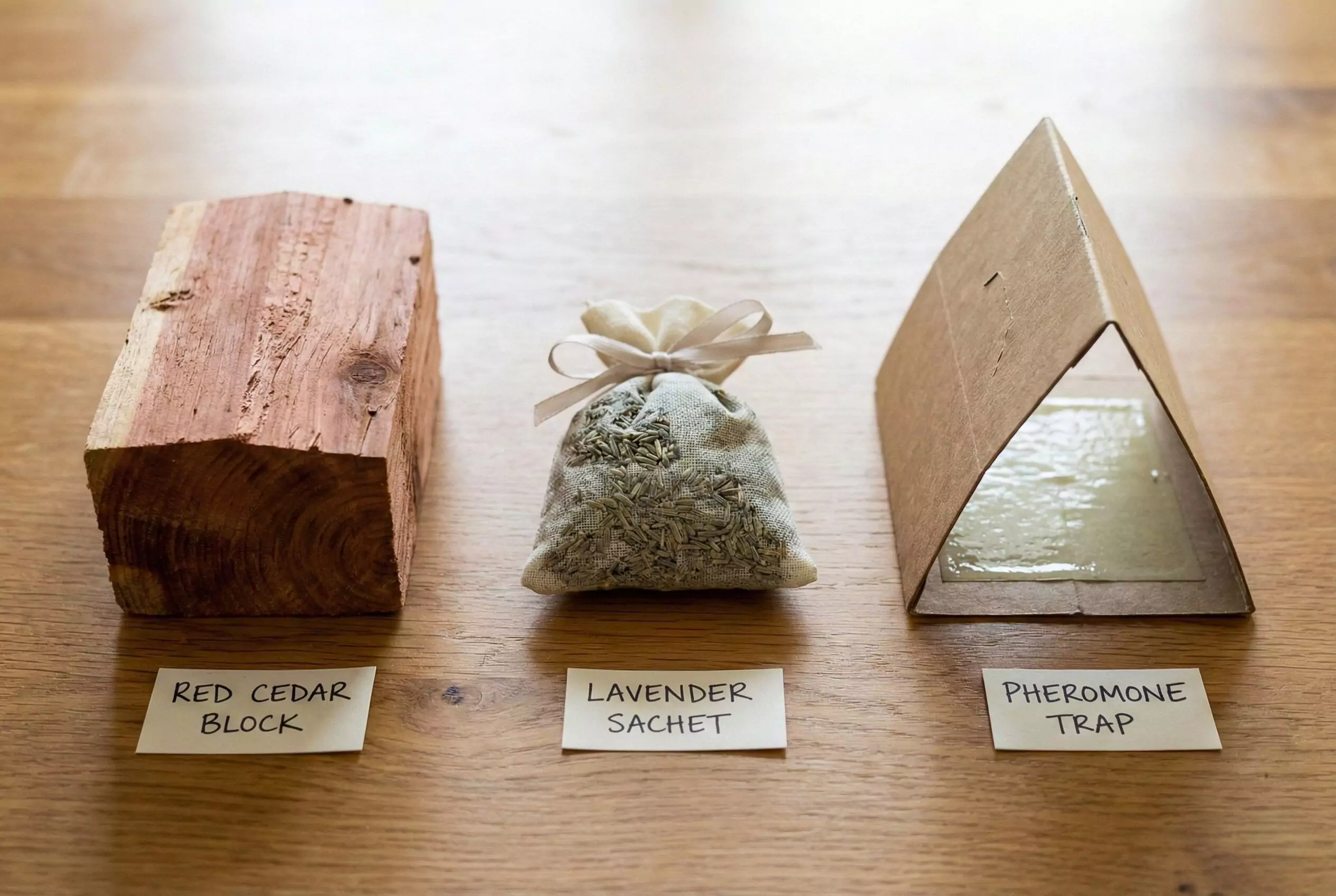
Pheromone traps are sticky glue boards laced with the female moth sex hormone. They attract the male moths, who get stuck to the glue and die.
- Function: These traps stop the males from mating, which slows down reproduction. However, they do not kill the females or the larvae.
- Utility: Use them as a “monitoring system.” If you put a trap down and catch nothing, you are safe. If you catch one or two, you need to be alert. If the trap fills up quickly, you have an active infestation and need to take immediate action.
- Placement: Place them on the floor (moths fly low) in dark corners or near the rug. Do not put them on a high shelf.
How to Store Wool Rugs Safely
Storage is the most dangerous time for a wool rug. A rolled-up rug in a dark attic or basement is the perfect incubator for a moth colony. If you need to store a rug, follow this strict protocol.
1. Clean First
Never store a dirty rug. Even invisible sweat or drink spills will attract moths. Have the rug professionally cleaned before storage.
2. Insecticide Application
Apply a moth-repellent spray tailored for wool before packing. Ensure the rug is completely dry before proceeding.
3. Rolling, Not Folding
Folded rugs develop creases that can crack the foundation over time. Roll the rug tightly around a cardboard tube to maintain its shape.
4. The Wrap
Do not use plastic. Plastic traps moisture, which can lead to mildew and rot.
- Tyvek: This is the gold standard. It is tear-resistant, water-resistant, but breathable.
- Cotton Sheets: A clean white cotton sheet is a good alternative.
- Acid-Free Paper: You can wrap the rug in brown acid-free paper.
Wrap the rug completely, ensuring there are no gaps. Secure the ends with tape, but do not tape directly onto the rug.
5. Storage Location
Store the rug off the ground (on a shelf or pallet) in a climate-controlled room. Avoid hot attics or damp basements. Check the rug every six months. Unwrap it, inspect it, and re-wrap it.
Treating an Active Infestation
If you find live larvae or damage, you must act immediately to save the rug.
Step 1: Isolate
Remove the rug from the room immediately to prevent the moths from spreading to other rugs, wool coats, or jumpers in your wardrobe.
Step 2: Deep Vacuuming
Vacuum the front and back multiple times. Empty the vacuum outside immediately.
Step 3: Killing the Larvae
Vacuuming removes many larvae, but not all eggs. You need a method to kill the remaining pests.
- Freezing: This is one of the safest methods for the wool.
- Place the rug in a heavy-duty plastic bag. Seal it tight.
- Put it in a deep freezer for at least one week. It needs to be very cold (below -18°C).
- Remove it, let it thaw for a few days, and then refreeze it for another week. This “shock cycle” ensures even the most resilient eggs are killed.
- Heat (Sun/Steam):
- Sun: In hot summer months, lay the rug on a clean patio in direct sun for a full day. Flip it halfway. The heat and UV kill larvae.
- Steam: You can use a steamer, but be careful. Too much moisture can cause the wool to shrink or dyes to bleed. Only use this if you are confident in your steaming technique.
- Chemical Treatment: Use a moth-killing spray containing Pyrethrin. Spray both sides. Ensure the room is ventilated and keep pets away until dry.
Step 4: Professional Cleaning
If the rug is valuable or the infestation is heavy, do not try to fix it yourself. Take it to a professional rug cleaner. They have immersion washing pits and controlled heat drying rooms that guarantee the eradication of all insects.
Repairing Moth Damage
Once the moths are dead, you may be left with holes. Can they be fixed?
Re-knotting
If you have a hand-knotted Oriental or Persian rug, a specialist can re-knot the damaged area. They attach new wool to the warp and weft foundation, recreating the pattern. This is a skilled art and can be expensive, but it restores the rug to near-perfect condition.
Darning/Patching
For less valuable rugs or flatweaves, a repairer might darn the hole (weaving threads across it) or sew on a patch from a similar rug.
Colouring
If the moths have only grazed the surface (surface grazing) and removed the top of the pile, the foundation might show through as white dots. A restorer can paint these dots with fabric dye to match the pattern, disguising the damage without replacing the wool.
Professional Cleaning: When and Why?
Many people assume standard carpet cleaners (who come to your house with a steam wand) are sufficient for wool rugs. They are often not.

In-Home vs. Plant Cleaning
- In-Home: Good for synthetic wall-to-wall carpets. It only cleans the surface. It leaves residue that can attract moths.
- Plant Cleaning: The rug is taken away, dusted (vibrated to remove grit), washed in a pit with water and mild detergent, rinsed thoroughly, and dried rapidly. This is the only way to remove deep-set dirt and moth eggs from the base of the knots.
Recommendation: Have your wool rugs professionally plant-cleaned every 1 to 3 years, depending on traffic.
Frequently Asked Questions
Does lavender really work?
Lavender works as a deterrent, not a poison. It will discourage a moth from entering a cupboard, but if a moth is already there, lavender will not kill it or the larvae. It must be fresh and strong-smelling to work.
Can I wash my wool rug with a hose?
Technically yes, but it is risky. Wool holds a massive amount of water. If you cannot dry it quickly enough (using fans and elevation), the cotton foundation will rot, or the rug will smell of mildew. It is safer to leave washing to professionals.
Do moths eat synthetic rugs?
Generally, no. However, if a synthetic rug has a blend of wool (e.g., 80% wool, 20% nylon) or is dirty with food/urine, moths will eat it. They may also burrow into a synthetic rug to build a cocoon, damaging the pile even if they don’t eat it.
How do I know if the moths are gone?
Clean the rug, treat it, and then monitor with pheromone traps. If the traps remain empty for two months and you see no new damage or frass, the infestation is likely cleared.
Conclusion
Protecting wool rugs from moths is a battle of maintenance. These pests are opportunistic; they look for negligence, dark corners, dust, and undisturbed quiet. By maintaining a routine of weekly vacuuming, allowing light and air to reach your rugs, and using natural repellents like cedar, you create an environment where moths simply cannot thrive.
Remember, the cost of prevention is always lower than the cost of restoration. A simple weekly vacuum and a yearly inspection can save a rug that might otherwise last for generations. Don’t wait for the first hole to appear; start your prevention routine today.
